

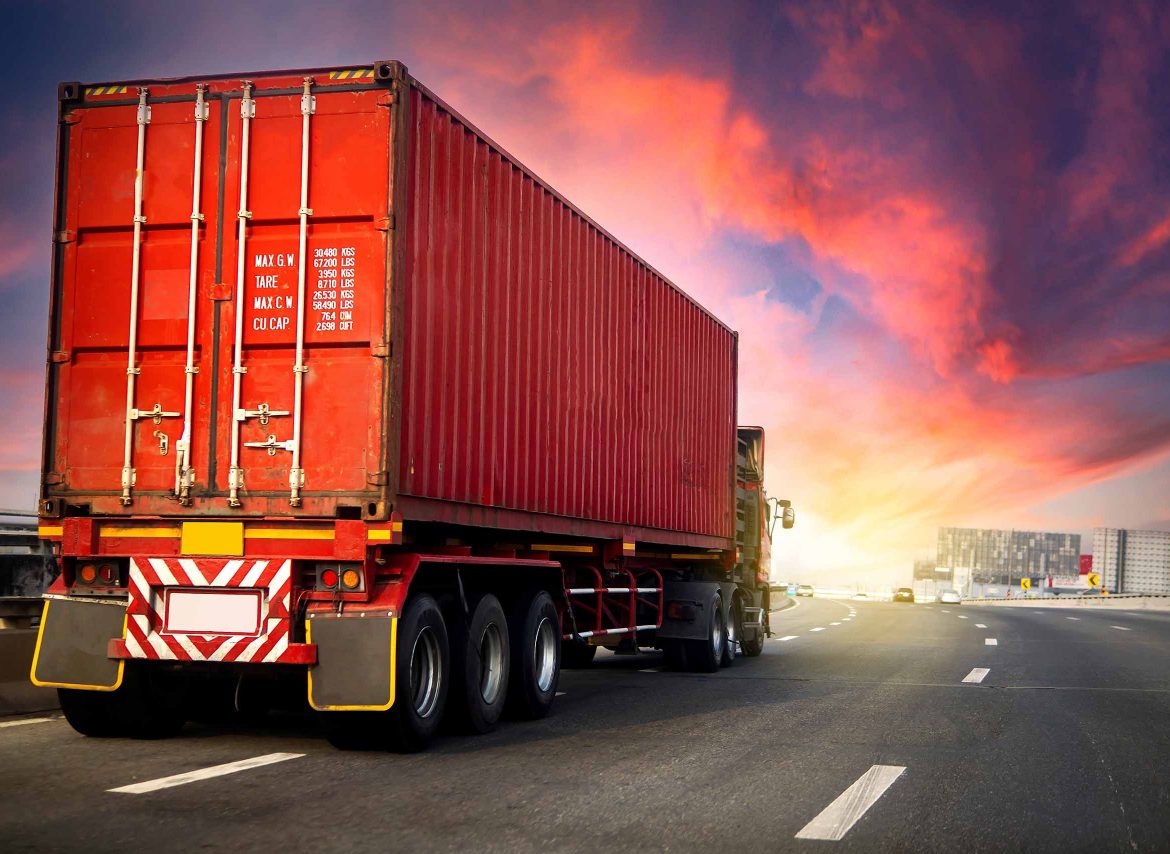

Choosing the right transportation method is important for businesses that regularly move goods. LTL (Less Than Truckload) is useful for smaller shipments, while Full Truckload (FTL) is designed for larger shipments that can occupy most or all of a truck.
But how do you know when it is time to switch from LTL to FTL? Understanding your shipment size, delivery requirements, costs, and business needs can help you make the right transportation decision.
What Is LTL Shipping?
LTL shipping allows multiple businesses to share space on the same truck. It is generally suitable when your shipment does not require an entire truck.
LTL can be a practical option for businesses that:
- Ship smaller quantities of goods
- Do not need an entire truck
- Have flexible delivery schedules
- Want to avoid paying for unused truck space
However, LTL shipments may involve multiple handling points and stops before reaching the final destination.
What Is Full Truckload (FTL)?
Full Truckload (FTL) means using an entire truck for one shipment or one customer. Instead of sharing truck space with other shipments, your cargo travels directly within a dedicated truck.
FTL services can be suitable for businesses with larger or time-sensitive shipments that require greater control over transportation.
When Should You Switch from LTL to FTL?
1. Your Shipment Volume Has Increased
One of the clearest signs that you may need FTL is an increase in shipment volume. If your business is regularly shipping large quantities of goods, paying for LTL space repeatedly may no longer be the most practical option.
A dedicated truck can provide enough capacity for larger shipments while simplifying transportation planning.
2. You Are Shipping Frequently
Businesses that make frequent LTL shipments should regularly compare their transportation costs with FTL shipping costs.
If multiple smaller shipments are going to the same destination around the same time, combining them into one full truckload may improve transportation efficiency.
3. Your Cargo Requires Faster Delivery
Delivery time can be an important factor when transporting commercial goods. LTL shipments may involve several pickups, transfers, and deliveries.
With FTL, cargo generally has a more direct journey because the truck is dedicated to your shipment. This can help businesses manage time-sensitive deliveries more efficiently.
4. Your Cargo Is Valuable or Sensitive
If your products are fragile, high-value, or sensitive to repeated handling, reducing the number of handling points can be beneficial.
FTL transportation keeps your shipment within a dedicated truck, which can help reduce unnecessary transfers during transit.
5. You Need Better Control Over Your Delivery Schedule
Businesses with strict delivery deadlines may benefit from greater control over transportation.
FTL can provide a more dedicated transportation arrangement, making it easier to coordinate pickup and delivery according to your business schedule.
6. Your Shipment Is Large or Bulky
Some shipments simply require more space than an LTL service can efficiently provide. Large quantities, bulky products, or multiple pallets may make full truckload transportation a more suitable choice.
Before booking transportation, businesses should consider:
- Total shipment volume
- Number of pallets
- Cargo weight
- Pickup and delivery locations
- Required delivery time
- Type of goods being transported
LTL vs FTL: Which One Is Right for Your Business?
The right option depends on your shipment requirements rather than choosing one method for every delivery.
| LTL | FTL |
|---|---|
| Suitable for smaller shipments | Suitable for larger shipments |
| Truck space is shared | Dedicated truck space |
| Can be suitable for flexible schedules | Often suitable for time-sensitive shipments |
| Multiple shipments share transportation | One shipment uses the truck |
| Useful when a full truck is not required | Useful when significant truck capacity is needed |
Businesses should compare shipment size, delivery requirements, frequency, and total transportation costs before choosing between LTL and FTL.
Benefits of Switching to FTL
When shipment requirements justify a dedicated truck, FTL can offer several operational advantages:
- Dedicated transportation for your cargo
- Fewer handling points
- Better control over delivery schedules
- Efficient transportation of larger shipments
- Suitable for high-volume cargo
- Greater consistency for regular freight movements
Final Thoughts
Knowing when to switch from LTL to Full Truckload (FTL) can help businesses manage transportation more efficiently. If your shipment volume is increasing, deliveries are becoming more time-sensitive, or you regularly need significant truck capacity, FTL may be worth considering.
The best transportation solution depends on your cargo, route, volume, delivery requirements, and overall logistics strategy. Working with an experienced logistics provider can help you select the appropriate transportation option for your business needs.
Looking for reliable FTL transportation for your business? Contact Lasani Logistics to discuss your freight requirements and transportation needs.