
China is Pakistan’s single largest source of imports, from electronics and machinery to textiles, home goods and industrial raw materials. If you are a trader or e-commerce seller looking to start importing, this guide walks you through the process from registration to delivery.
Step 1: Register your business to import
Before your first shipment, you need to be set up legally. In practice this means an NTN (National Tax Number) from the FBR, Sales Tax Registration, and registration on WeBOC — Pakistan Customs’ online clearance system (or PSW, the Pakistan Single Window). Without these, your goods cannot clear customs in your name.
Step 2: Find and vet your supplier
Source through platforms like Alibaba, Made-in-China or trade fairs, but verify before you pay. Confirm the supplier’s business licence, ask for samples, and use secure payment terms. A cheap unit price means nothing if the goods never arrive or fail on quality.
Step 3: Classify your goods with the correct HS code
Every product has an HS code (Harmonized System code) that determines the duty and tax rate it attracts. Getting this right matters — misclassification is one of the most common causes of delays and penalties at Karachi port. You can estimate your landed cost using the FBR’s online duty calculator once you know your code.
Step 4: Choose your shipping method
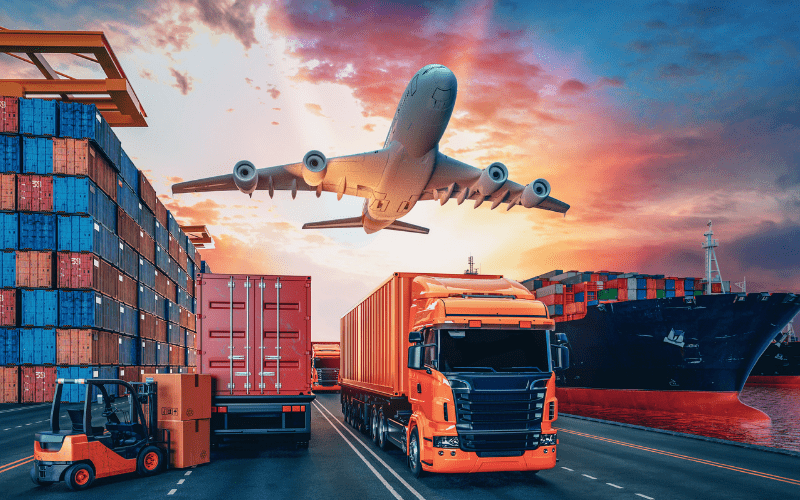
- Air freight — fastest (typically 3–7 days), best for high-value, urgent or perishable goods. See Air Freight Services.
- Sea freight (FCL or LCL) — most economical for bulk (around 15–25 days), arriving at Karachi Port, Port Qasim or Gwadar.
- Express couriers — for small parcels and samples.
Step 5: Prepare your documents
Standard customs documents include the commercial invoice, packing list, bill of lading (or airway bill), and certificate of origin — the last of which can secure preferential duty under the China–Pakistan Free Trade Agreement. Accuracy here is everything; mismatched documents cause holds.
Step 6: Clear customs and take delivery
When goods arrive, they are filed in WeBOC, duties and taxes are assessed, and the shipment is inspected if required before release. A customs clearing agent handles this efficiently on your behalf — see Custom Clearance.
Common mistakes to avoid
- Under-declaring value (risks penalties and anti-dumping duty scrutiny)
- Wrong HS code
- Importing restricted or banned items without checking the rules
- Forgetting Halal certification requirements for food and cosmetics
Let a freight partner handle the hard part
Importing gets far simpler with a forwarder who manages sourcing logistics, shipping, documentation and clearance end to end. Lasani Logistics offers Freight Forwarding and clearance for China–Pakistan trade. Request a quote to start importing with less risk.